


COP31 Leaves Investors with a Bigger Question on Climate Finance
The failure to secure an overarching agreement in Antalya has exposed divisions over the future of climate policy. For businesses and investors, the challenge is now translating the energy transition into commercially viable projects, particularly in developing economies.
COP31 ended in Antalya, Türkiye, on 22 November without agreement on its proposed Antalya Pact, following negotiations that extended two days beyond the scheduled closing date. Disagreements over fossil fuels, carbon capture and climate finance prevented countries from reaching consensus, highlighting the growing difficulty of aligning national energy priorities with international climate commitments.
For investors, however, the outcome raises a question that extends beyond diplomatic negotiations: how will the infrastructure and financing required for the energy transition be delivered?
The absence of a new overarching agreement does not change existing obligations under the Paris Agreement. Nevertheless, the breakdown exposes uncertainty over the pace and direction of international cooperation, an important consideration for businesses making long-term investment decisions.
The economics of electrification
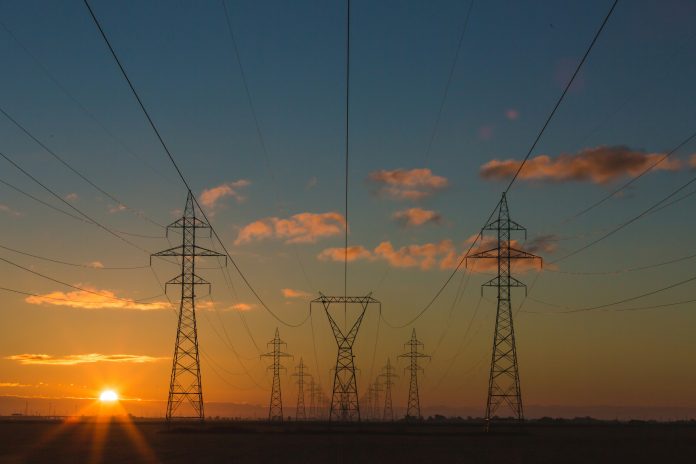
One of the strongest investment themes emerging from Antalya was the expansion of electricity infrastructure. As economies increase electricity consumption across transport, buildings and manufacturing, investment requirements extend well beyond renewable generation to transmission networks, storage and distribution systems.
The scale of capital involved is illustrated by figures released by UN Climate Change on 19 November. Members of the Utilities for Net Zero Alliance reported annual investment plans of at least US$156 billion across electricity grids, renewable energy and storage. Their reported network deployment exceeded 21,000 kilometres during 2025.
The figures highlight the commercial importance of electricity infrastructure in supporting the next phase of industrial and economic development.
Financing the transition
Access to affordable capital remains a significant barrier, particularly in developing economies where currency exposure, borrowing costs and project risks can discourage private investment.
An important financing development at COP31 was the operational launch of AMPLIFi, a mechanism established by the Climate Investment Funds. With an initial £400 million contribution from the United Kingdom, it aims to mobilise up to US$5 billion for clean power, electricity networks, storage and electrification in emerging and developing markets.
The initiative reflects the growing role of development finance in preparing projects and reducing investment risks to attract private capital.
However, financing commitments alone do not guarantee implementation. Governments must establish credible project pipelines, provide regulatory certainty and ensure that infrastructure investments can generate sustainable commercial returns.
Africa’s industrial investment opportunity
These challenges carry particular significance for African economies, where electricity access, industrialisation and the cost of capital are closely connected.
For resource-rich countries, the energy transition presents opportunities beyond renewable power generation. Mineral processing, manufacturing, battery supply chains and electricity infrastructure can all become areas of investment as governments pursue greater domestic value addition.
Realising these opportunities will require reliable power supplies, stronger regional electricity networks and financing structures capable of accommodating the risks associated with developing markets.
The distinction between attracting investment and building productive capacity is particularly important. New generation projects must translate into dependable electricity for businesses, while infrastructure development must support industrial activity rather than operate independently of national economic priorities.
The investment test ahead of COP32
The failure of the Antalya Pact demonstrates that international climate diplomacy remains divided over how quickly economies should move away from fossil fuels and how the costs of that transition should be shared.
Reuters reported that the European Union and several other countries rejected the final proposal because it did not explicitly address the transition away from fossil fuels. Developing economies also raised concerns over the adequacy and clarity of adaptation financing.
For businesses, the immediate investment environment will continue to be shaped by national policies, energy security requirements and the economics of individual projects, regardless of the outcome of the negotiations.
With Ethiopia scheduled to host COP32 in 2027, attention will return to the relationship between international commitments and practical delivery.
For investors, the opportunity lies in the growing requirements for electricity, infrastructure and industrial transformation. The outstanding question is whether governments and financing institutions can create the conditions to turn these requirements into bankable projects.


