


Tembo Steels’ Smart Steel Plant Set to Boost Jobs and Local Production
World Business Journal talks to Sanjay Awasthi, Chairman of Tembo Steels, about the role of direct reduced iron (DRI) in improving product quality, boosting economic growth, and driving job creation, and the innovative technologies that are optimising production processes in the steel industry, along with the challenges and opportunities that lie ahead.
What are the advantages of the new DRI plant in Iganga for steel production and the local economy?
The primary steelmaking process, such as the DRI to final product route, allows the country to drastically minimise steel importation and realise true export forex earnings. Efficient use of our natural resources (iron ore) is critical to sustainability and the country’s economic development.
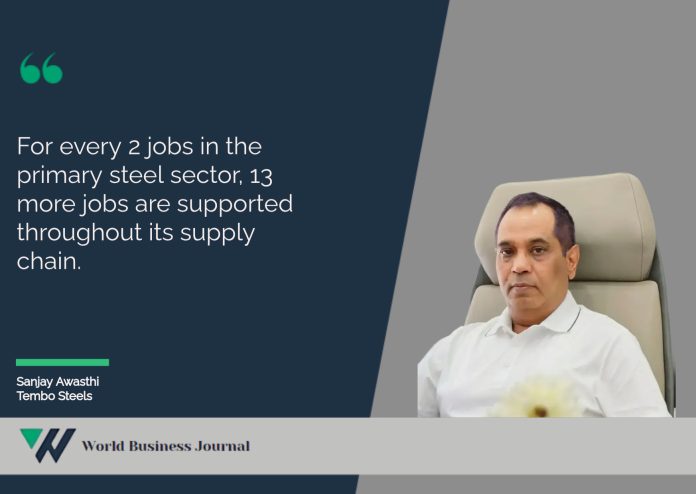
For every two jobs in the primary steel sector, 13 more jobs are supported throughout its supply chain.
How have digitisation and automation contributed to improved productivity and operational efficiency?
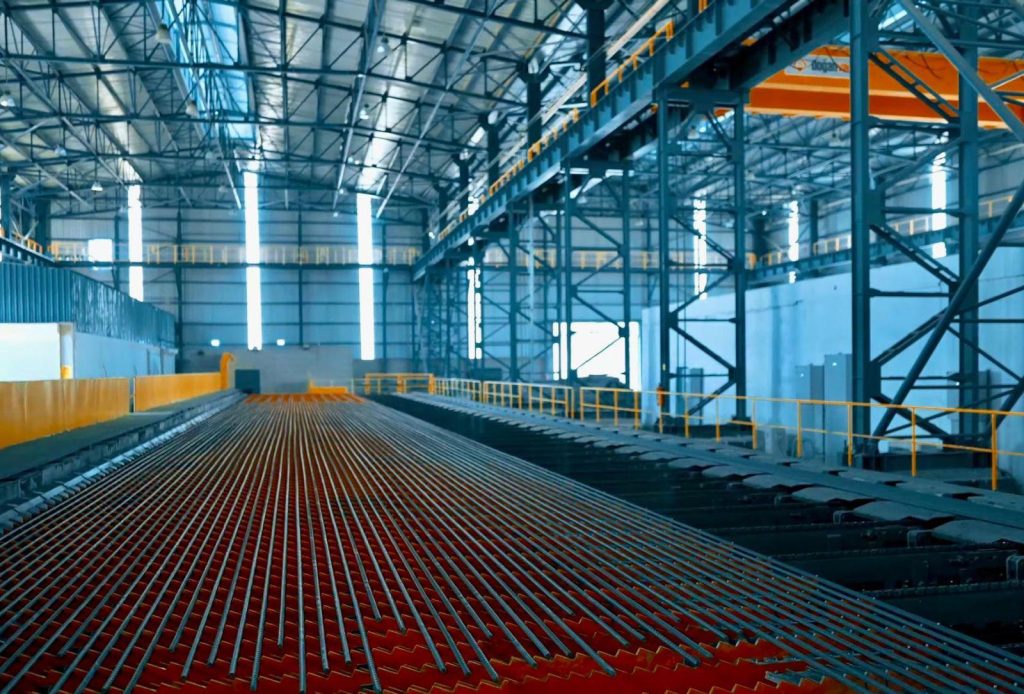
DRI is a fully automated facility operating at Level 2, equipped with PLC and SCADA that monitors real-time processes, and it is equipped with cutting-edge technology.
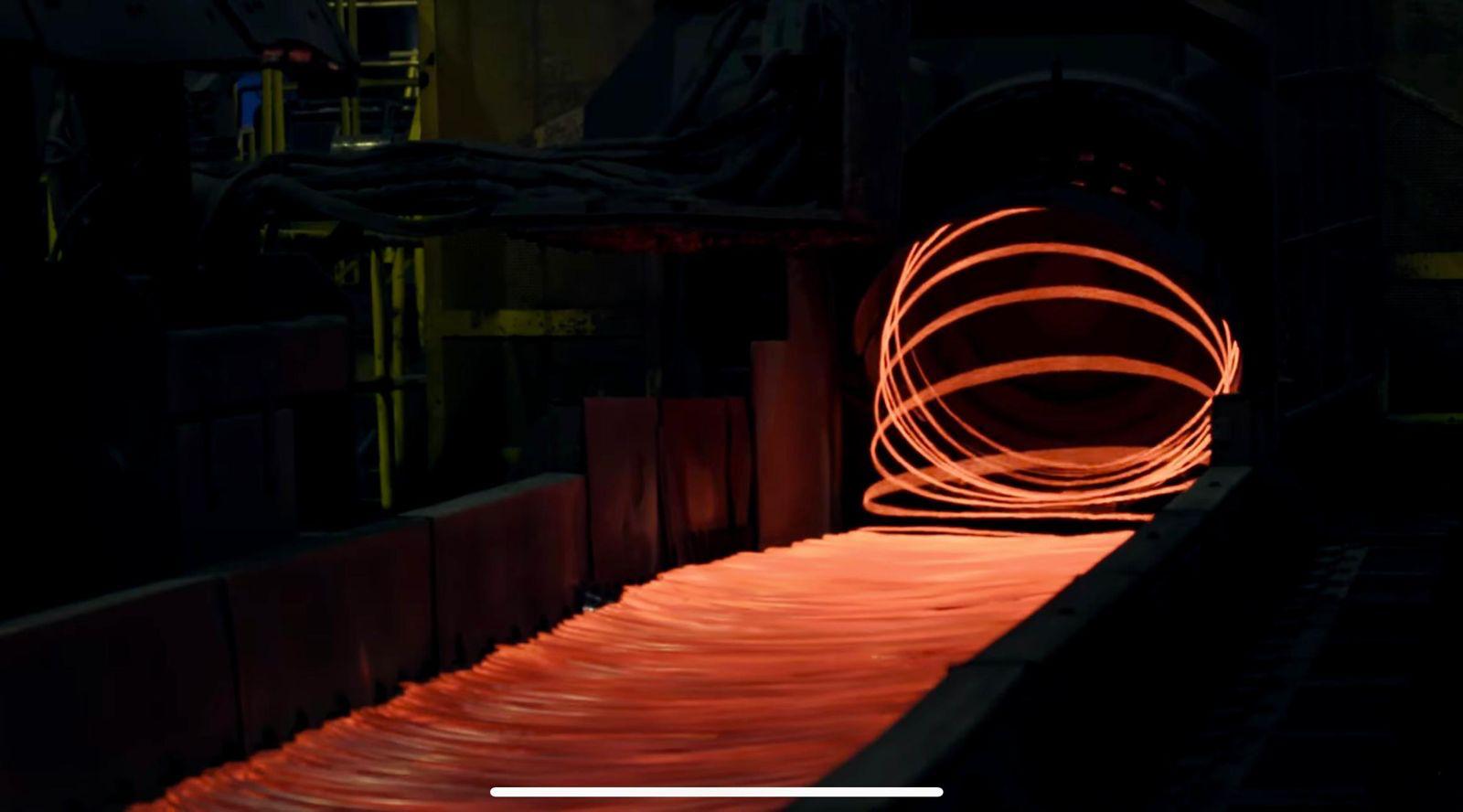
These technologies enable online monitoring and built-in corrections based on the operational programme. All the rolling mills and melting shops are configured with Level 2 automation, minimising human intervention with the concept of “no personnel on the shop floor”. AI is used to limit errors.
For example, the rolling mill is equipped with the latest TC Ring rolling technology, the first of its kind on the continent for rebar manufacturing. Even in EU countries, only 15 to 25% of companies have adopted this technology so far.
What are your projections for the steel industry’s growth in Uganda over the next five years?
Steel consumption is projected to grow by 5-6%, with an anticipated increase of 1-2% in steel demand.
Manufacturing facilities like ours are capable of meeting this growth in demand due to their production capacity. However, two critical components significantly impact manufacturing costs: raw materials and power tariffs. Together, these factors account for a staggering 90% of total expenses in Uganda. Unfortunately, these costs are considerably higher compared to the international market. This disparity presents a barrier to local manufacturers like us, as it raises the overall cost of the products, making it difficult to compete with imports and leading to the growth trajectory of imports. Our vision is to achieve a 100% import-free steel industry, but this goal will require government support through duty protection.


