


Microfuse’s Next Move in Deep-Tech Unfolds With Lwera Venture
World Business Journal talks to Karugaba Ivan, Founder of Microfuse, about the operational benefits that the relocation to Namanwe brings, the start of the ISO 9001 certification process, and their partnership with a new collaborative venture called Lwero, which aims to advance deep tech innovation in the country.
What is the current progress on scaling the production of the Microfuse Stick?
Last year, we produced over 1,000 units; however, we encountered capacity limitations that hindered our ability to scale up. With our recent relocation to Namanve, we are now positioned to meet both local and international demand, while also achieving 30% localisation of our production. We have also initiated the process of obtaining ISO 9001 certification to ensure compliance with quality standards. In 2025, our goal is to increase Microfuse Stick production to 10,000 units.
In addition, we have introduced an affordable laptop model priced at $148 for Uganda Technology and Management University (UTAMU) that addresses the need for portable computing devices.
By partnering with Chinese manufacturers for technology transfer, we produce parts such as casings and boards locally, thereby reducing assembly costs.
Can you tell us more about Lwera Electronics and Semiconductors, including the role of Microfuse within the company and the scope of its operations?
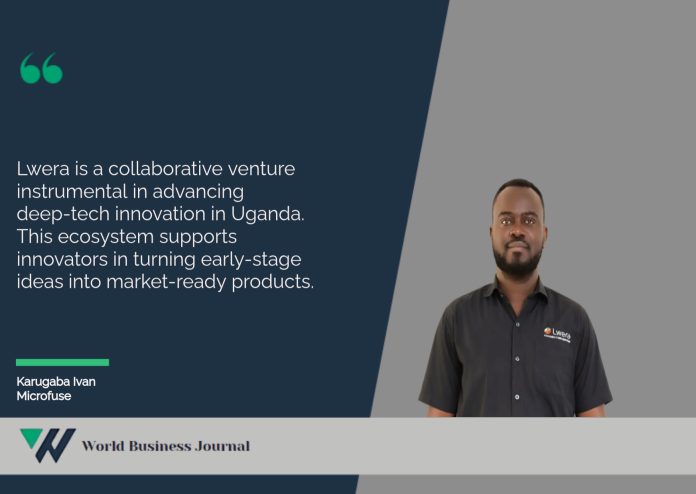
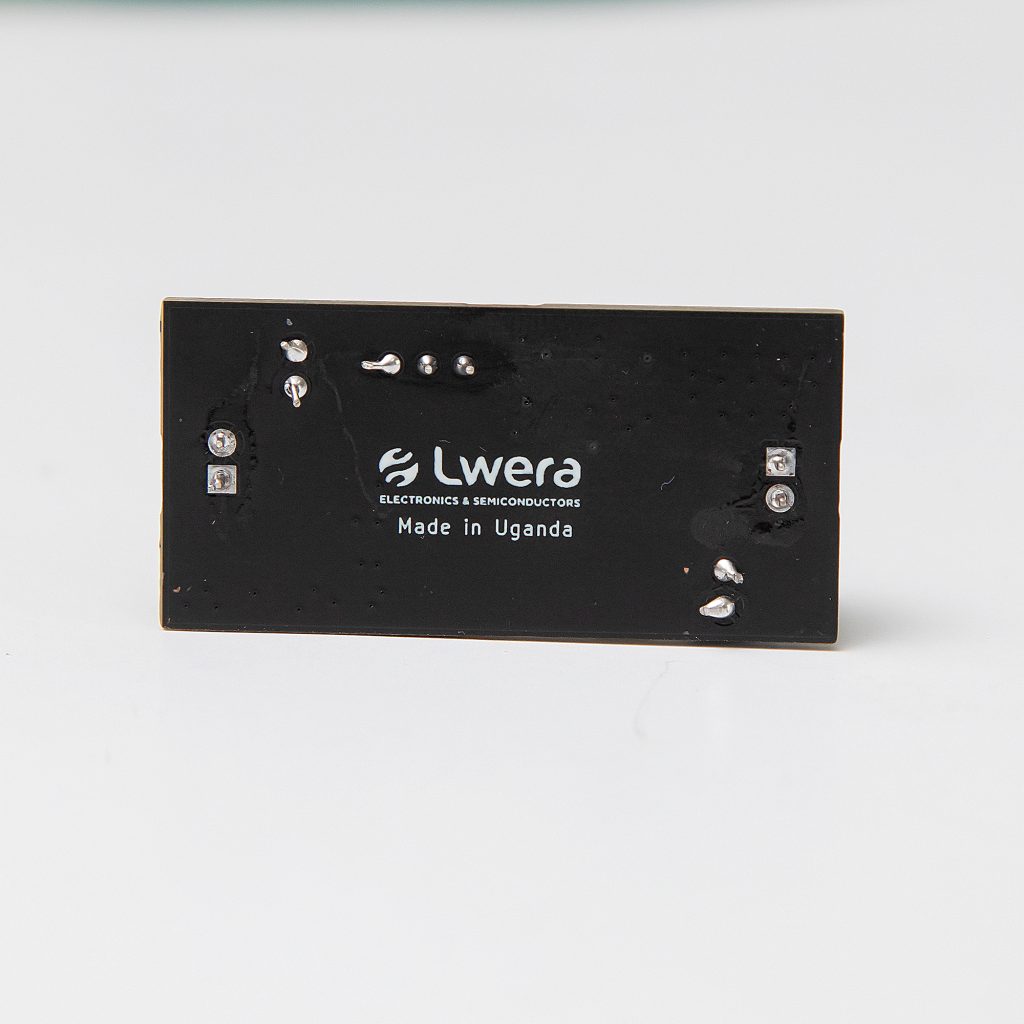
Lwera is a collaborative venture instrumental in advancing deep-tech innovation in Uganda. It was founded by our team alongside 3 local manufacturers: Kamata, Ridelink, and Tendo-Hythen.
This partnership allows for the efficient sharing of facilities, equipment, and expertise in chipset design, industrial prototyping, and the manufacturing of high-quality electronics.
We secured financial backing for this initiative, including a $300,000 grant initially, followed by $350,000 this year from the Science, Technology & Innovation (STI) Secretariat under Industry 4.0 Bureau.
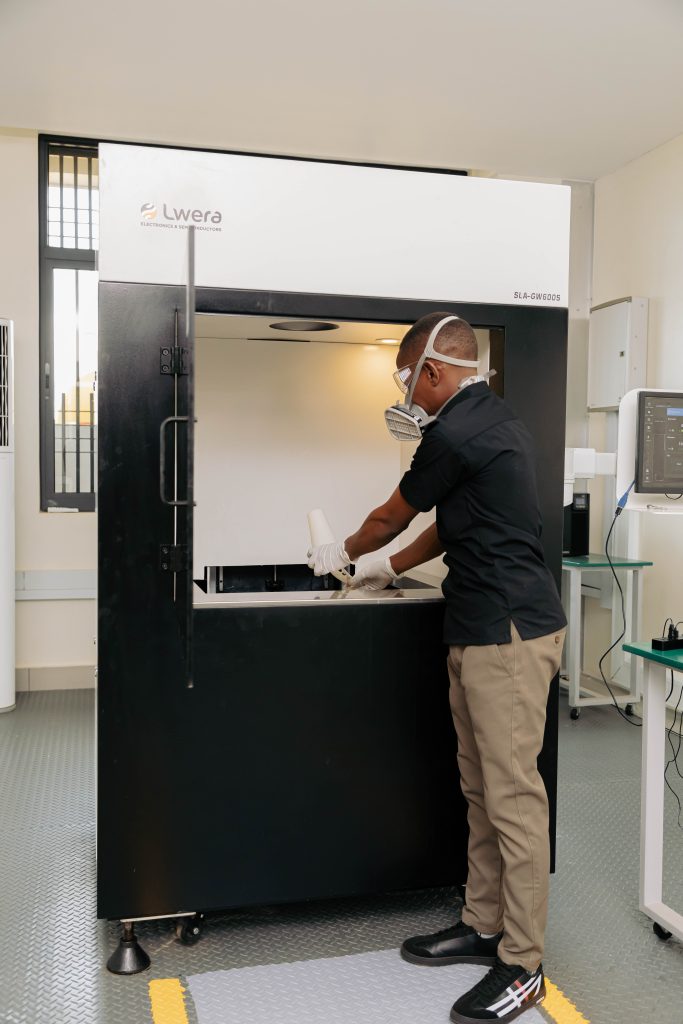
This ecosystem is designed to support innovators in the transformation of their initial ideas into industry-ready products. Through an array of specialised programmes, we provide redesign assistance and micro-grants to facilitate the effective conversion of prototypes into commercially viable solutions.


